
Hirzel Dreyfuss & Dempsey, PLLC
NEWS AND INFORMATION
The American Franchise Act Clears Committee, and the Vote Tells You More Than the Bill Does
The short answer
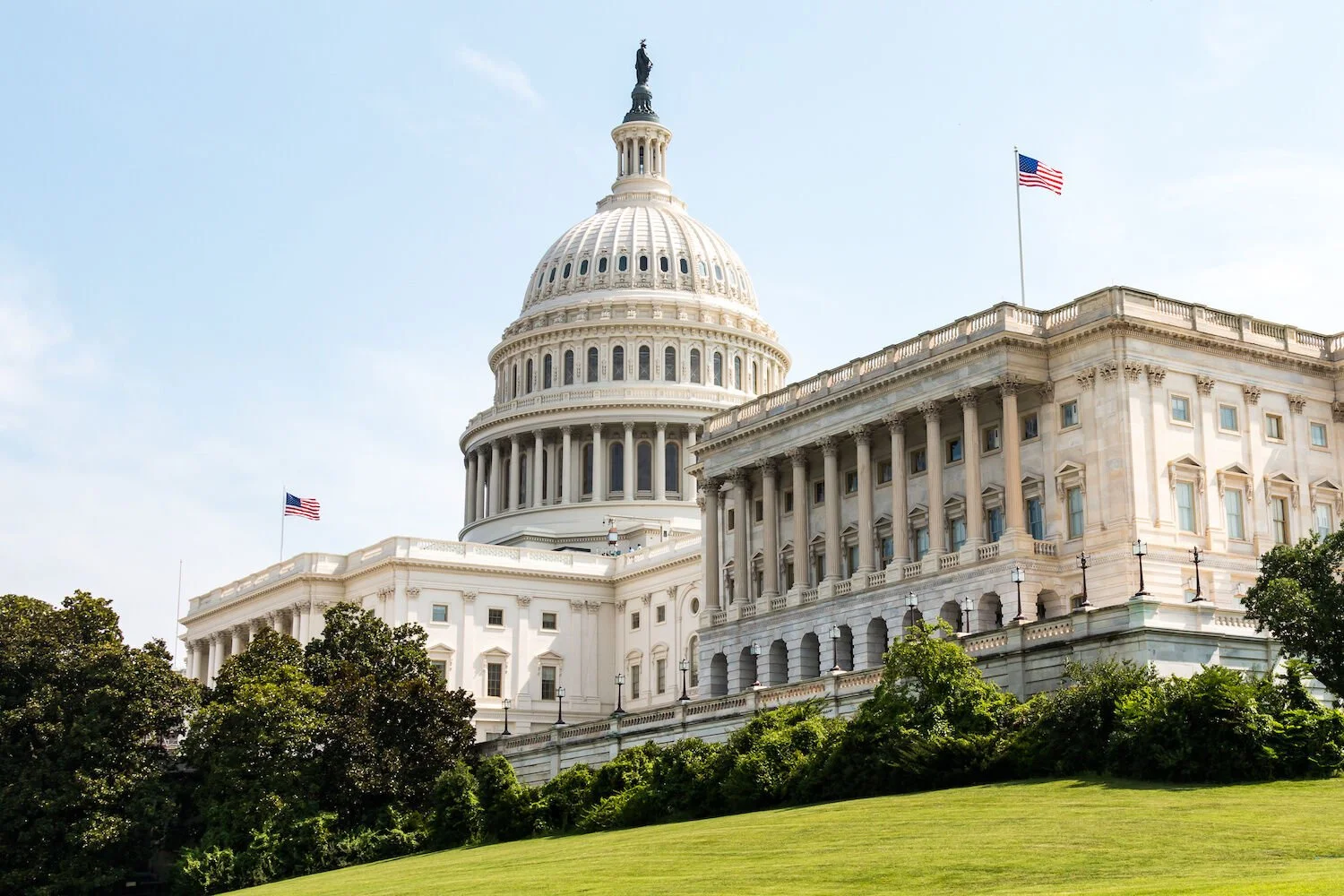
A bill that would fix the federal joint employer standard for franchising cleared the House Committee on Education and Workforce on July 23, 2026, by a vote of 18 to 15. It now goes to the House floor. Franchisors should not change anything yet, because a bill out of committee is not law, and because the vote itself suggests the durable fix the industry wants may not arrive on this pass.
Why it comes up
The joint employer question is the single largest unresolved liability exposure in franchising. It asks when a franchisor becomes legally responsible for the employment decisions of an independent franchisee, and therefore exposed to that franchisee's wage and hour claims, discrimination claims and union obligations. According to Franchise Times, the standard has changed four times in thirteen years, moving with each change in presidential administration. The 2023 rule was struck down in federal court, and the National Labor Relations Board reaffirmed the 2020 standard in February 2024.
That instability is the actual problem. A franchisor cannot build a brand standards program around a test that changes every few years.
What the bill does
The American Franchise Act, H.R. 5267, would codify a control-based test. As reported, a franchisor would be a joint employer only if it "possesses and exercises substantial, direct and immediate control" over essential terms of employment, which the bill identifies as wages, benefits, hours, hiring, discipline, supervision and direction.
Two amendments offered by ranking member Bobby Scott failed, each by 15 to 18. One would have preserved the Board's ability to consider indirect control. The other would have given franchisees a right of action against franchisors. Representatives James Moylan and Virginia Foxx spoke in support of the bill. Representative Scott said it would "radically rewrite" the law and "severely curtail workers' ability to enforce their rights." The International Franchise Association, the American Association of Franchisees and Dealers, and the Coalition of Franchisee Associations support the bill.
Our take: read the vote, not the co-sponsor list
The bill was introduced in September 2025 by Representative Kevin Hern with six Republican and seven Democratic sponsors, and it now carries 142 co-sponsors. That is a genuinely bipartisan face. But the committee vote was straight party line, and both minority amendments failed on the same party line split.
That gap matters, and it is the part of this story worth a franchisor's attention. A statute enacted on a party line vote is a statute that a future Congress can repeal on a party line vote. The industry's complaint is not that the current standard is wrong. The complaint is that the standard keeps moving. A narrowly partisan enactment addresses the first problem and leaves the second one intact.
What it means practically
Nothing about a franchisor's operating posture should change on the strength of a committee vote. The operative standard today remains the Board's 2020 standard, and the practical protections remain the ones a franchisor builds itself:
● Reserve authority over brand standards, which protect the trademark and the customer experience. Recipes, approved vendors, hours of operation and system specifications are ordinarily defensible.
● Leave hiring, scheduling, supervision, discipline and compensation with the franchisee, in the franchise agreement and, more importantly, in actual practice. Courts look at what a franchisor does, not only at what the agreement says it may do.
● Audit the gap between the two. The exposure in most systems is not in the agreement. It is in the field consultant who tells a franchisee to fire someone.
When to call a lawyer
Before a system-wide rollout of any program that touches franchisee personnel practices, and immediately upon service of any charge or complaint naming both the franchisor and a franchisee as joint employers. The pleading stage is where the joint employer question is usually won or lost.
Sources
Disclaimer
This post discusses publicly reported legal developments for general informational purposes. It is not legal advice, it does not create an attorney client relationship, and it does not reflect the firm's position in any pending matter. Outcomes depend on the specific facts and the governing law of the relevant jurisdiction.