

Hirzel Dreyfuss & Dempsey, PLLC
NEWS AND INFORMATION
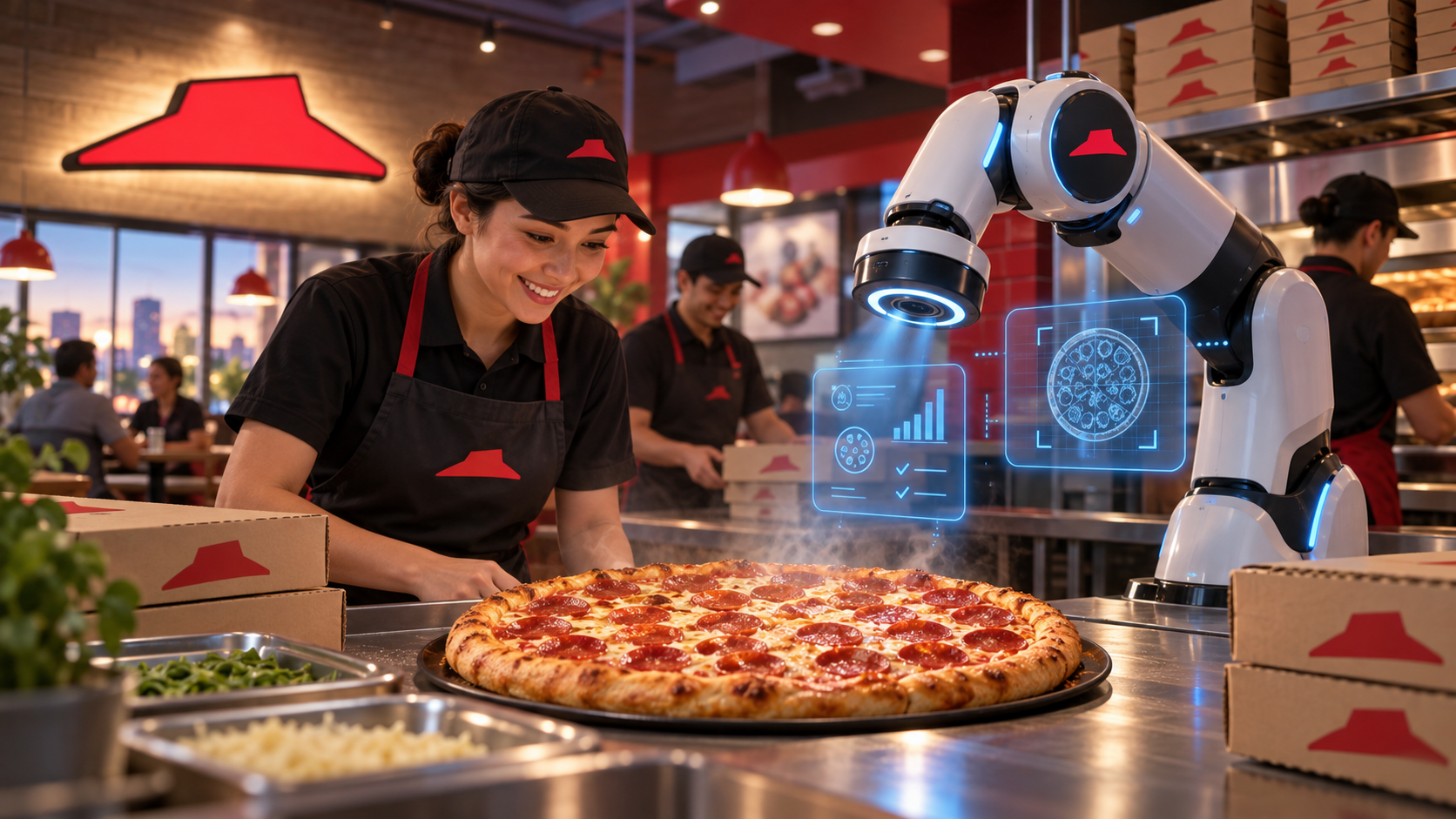
A Franchisee Says the Franchisor's Mandatory AI Cost It $100 Million. The Claim Is About Contract, Not Technology.
The short answer
A Pizza Hut franchisee operating approximately 111 restaurants filed suit on May 6, 2026, in the Texas Business Court, alleging that a delivery management platform the franchisor required it to adopt destroyed its delivery performance and more than $100 million in business value. The legal theory is ordinary breach of the franchise agreement. The fact pattern is not, and it is going to recur.
Why it comes up
Franchise agreements routinely give the franchisor authority to specify required systems and technology. That authority was uncontroversial when it meant a point of sale terminal. It is considerably less so when it means an algorithmic system that reorders how the franchisee's business actually runs, and when the franchisee bears the entire economic consequence of a decision it did not make.
What is alleged
Chaac Pizza Northeast operates roughly 111 Pizza Hut restaurants across New York, New Jersey, Maryland, Washington D.C. and Pennsylvania. As reported by Business Insider, the complaint alleges that before the rollout more than ninety percent of its deliveries arrived within thirty minutes, with double digit sales growth and guest satisfaction above system averages.
The franchisee alleges that the Dragontail platform gave DoorDash drivers real time visibility into kitchen workflows and order timing, including when pizzas would come out of the oven. Drivers responded, according to the complaint, by waiting "up to fifteen (15) minutes" to batch additional orders rather than departing with a completed one. The complaint is also reported to allege that drivers could see tip amounts and whether an order was cash, making them selective about which deliveries to accept. In the New York City market, year over year sales growth is alleged to have moved from positive 10.19 percent to negative 9.78 percent.
The pleaded theory, as reported, is that the franchisor breached the franchise agreement by mandating continued use of the software while failing to exercise "reasonable business judgment" or to modify the system to accommodate the franchisee's reliance on third party delivery drivers. A Pizza Hut spokesperson said the company was reviewing the claims and would respond "through the appropriate legal channels."
Our take: this is a mandated systems case, and the AI is incidental
Strip out the word artificial intelligence and what remains is a claim that has existed in franchise law for decades. A franchisor exercised a contractual right to require a system. The system did not work for this franchisee's operating model. The franchisee absorbed the loss. The question is whether the franchisor's exercise of that reserved discretion was subject to any standard at all.
That question, not the technology, is where the case will be decided. Most franchise agreements grant technology mandates in broad, unqualified language. Franchisees will argue that the implied covenant of good faith and fair dealing constrains how that discretion is exercised. Franchisors will argue that an express, unqualified grant of discretion cannot be narrowed by an implied covenant. Courts have gone both ways on that proposition, and the answer is heavily dependent on the governing law the agreement selects.
The genuinely novel element is the causal chain. The system did not fail. It worked as designed, and the harm came from how a third party, the delivery driver, responded to the information the system disclosed to him. Proving that chain requires system wide data, and a franchisee alleging it will need comparative performance evidence across the system that only the franchisor possesses. Expect the real fight to be about discovery.
We should be candid about the weaknesses. Correlation between the rollout and the sales decline is not causation, and 2024 through 2026 was a difficult period for the brand generally. Business Insider reported that Yum! Brands has been exploring strategic options for Pizza Hut after consecutive quarters of declining same store sales, and announced plans to close 250 U.S. locations in the first half of the year. The franchisor will point at that record, and it is a serious defense.
What it means practically
For franchisees, before a mandated technology rollout: document baseline performance, put objections in writing at the time and not in hindsight, and preserve the operating data. A performance claim two years later is only as good as the contemporaneous record.
For franchisors: an unqualified mandate right is not the same as an unqualified mandate. Pilot the system, document that you evaluated operating models that differ from the norm, and respond in writing when a franchisee reports degradation. The reported allegation that the franchisor "refused requests for support" and "ignored worsening delivery metrics" is the allegation that turns a contract dispute into a damages case.
When to call a lawyer
Before you sign an amendment adopting a new required system, and at the first documented sign that a mandated system is degrading your operations. Not after a year of losses.
Sources
● Business Insider, Pizza Hut faces lawsuit from franchisee over AI system (May 2026)
● PMQ Pizza Magazine, Disgruntled franchisee slaps Pizza Hut with $100 million lawsuit (May 21, 2026)
● L'Express Franchise, Pizza Hut franchisee sues for $100 million (May 28, 2026)
Related coverage: this dispute sits inside a broader pattern of franchise-system control litigation, including how franchisors’ earnings claims are regulated and how territorial protections are tested in court.
Disclaimer
This post discusses publicly reported legal developments for general informational purposes. It is not legal advice, it does not create an attorney client relationship, and it does not reflect the firm's position in any pending matter. Outcomes depend on the specific facts and the governing law of the relevant jurisdiction.